
Wild World Cup trivia — Part II: the Maracanazo and the eternal Brazil vs Germany duel
200,000 people silent at the Maracanã and more than 450 combined goals between Brazil and Germany. Part II of Guriball's compilation of unlikely World Cup stories.
In Part I we covered absurd goal fests, cards flying and cinematic penalty shootouts. Now, two stories that maybe define best what a World Cup really is: a stadium that couldn't exist today and a statistical battle that spans decades.
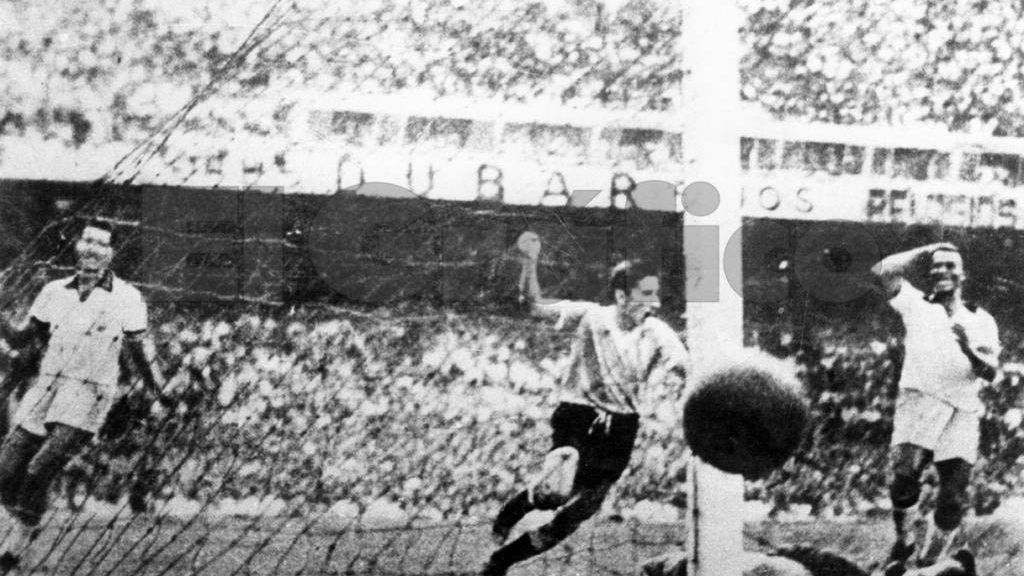
Nearly 200,000 people at one game — and it turned into a tragedy
The largest attendance ever recorded at a World Cup match happened in 1950, in Brazil, at the Maracanã. In the decisive match between Brazil and Uruguay, the official estimate is 173,850 paying spectators — but historical accounts suggest there were between 190,000 and 200,000 people inside the stadium that day.
For comparison: the largest football stadium in the world today, the Narendra Modi Stadium in India, holds 132,000. The 1950 Maracanã packed an entire city inside it.
| Stadium | Attendance / capacity | Context |
|---|---|---|
| Maracanã (1950) | ~173,850 paying (accounts speak of up to 200,000) | Final Brazil vs Uruguay |
| Narendra Modi Stadium | 132,000 seats | Largest football stadium in operation today |
Brazil only needed a draw to be world champion. Uruguay won 2–1, in a result that became known as the Maracanazo — a collective trauma so deep that many of the Brazilian players spent years avoiding the subject.
"They say you could hear the silence of 200,000 people at the same time."
— Accounts of the 1950 World Cup final at the Maracanã
The national team that has rattled the net most in history
When it comes to sheer goal volume in World Cups, the debate is between two giants: Brazil and Germany. And the numbers explain why the conversation never ends.
- Brazil: the only nation to have played every World Cup since 1930 — 22 appearances and more than 230 goals scored in the tournament.
- Germany (counting West Germany): more than 220 goals, with historical consistency that's hard to match.
- Five titles for Brazil and four for Germany explain much of that volume.
There's also that detail that still stings to remember: the 7–1 in the 2014 semifinal in Belo Horizonte, which single-handedly pushed the German tally up and sealed one of the most painful nights in Brazilian football. Cold numbers, warm memory.
If we're talking efficiency per game, the race gets even tighter — and that's where Argentina, France and Spain enter the picture. But when it's raw volume, the crown is still split between the Brazilians and the Germans. One certainty remains: when either of the two takes the field, the scoreline rarely ends in zero.
Sources
Data compiled from FIFA, ESPN, Transfermarkt and the historical archive of Brazilian football. And, in the case of the Maracanazo, from the broken heart of anyone who was in the stadium in 1950.
Picks for you
Advertising. Affiliate links — we may earn a commission on your purchases, at no extra cost to you. It does not influence our editorial coverage.
Keep reading
 World Cup
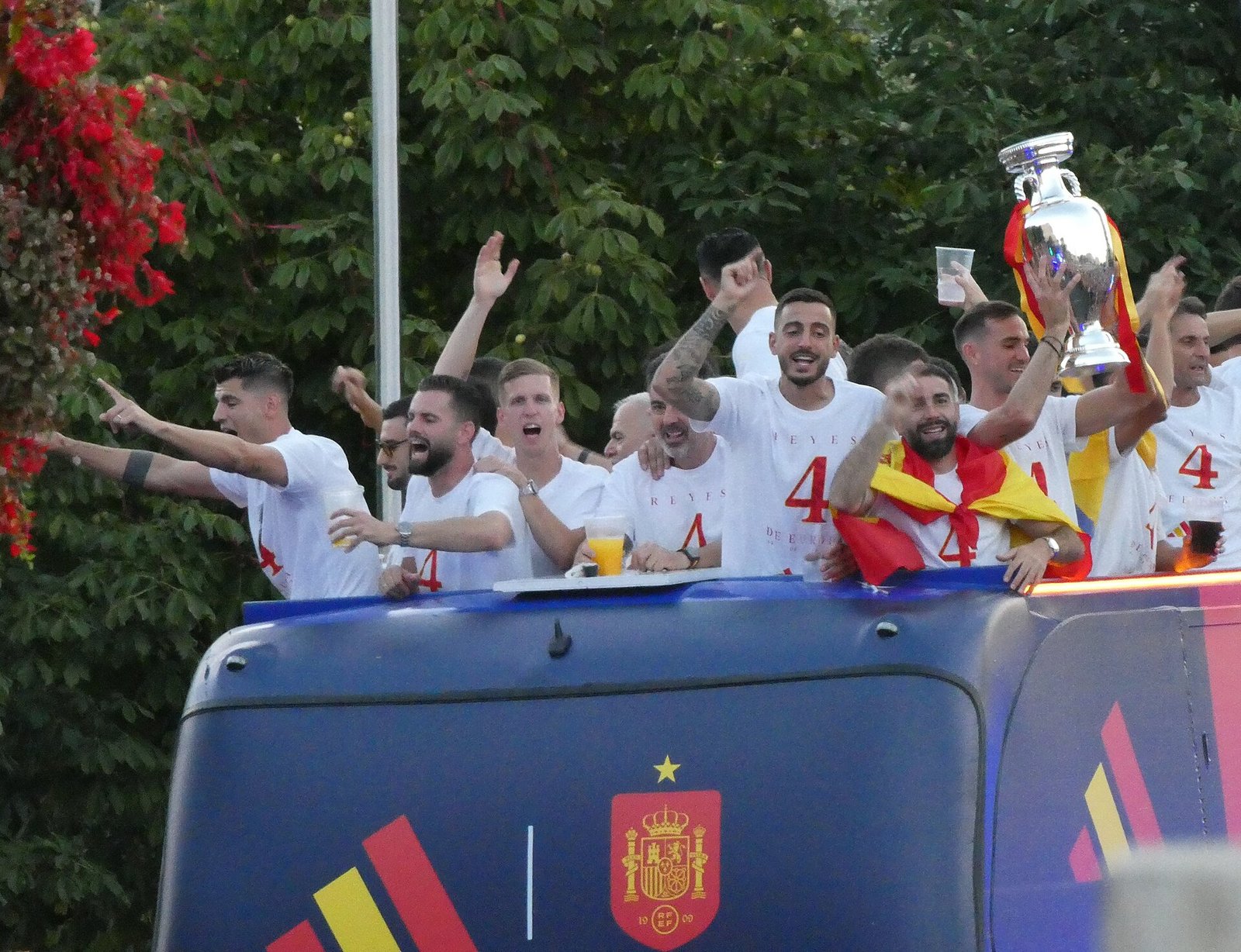
Spain 1-0 Argentina: a second star — and still no back-to-back champion since 1962
Ferran Torres decided it in extra time, Argentina finished the final without a single shot on target in 120 minutes, Enzo Fernández was sent off and Messi lost the second final of his career — in the last World Cup of his life, without the scoring record that was his until Friday.
 World Cup
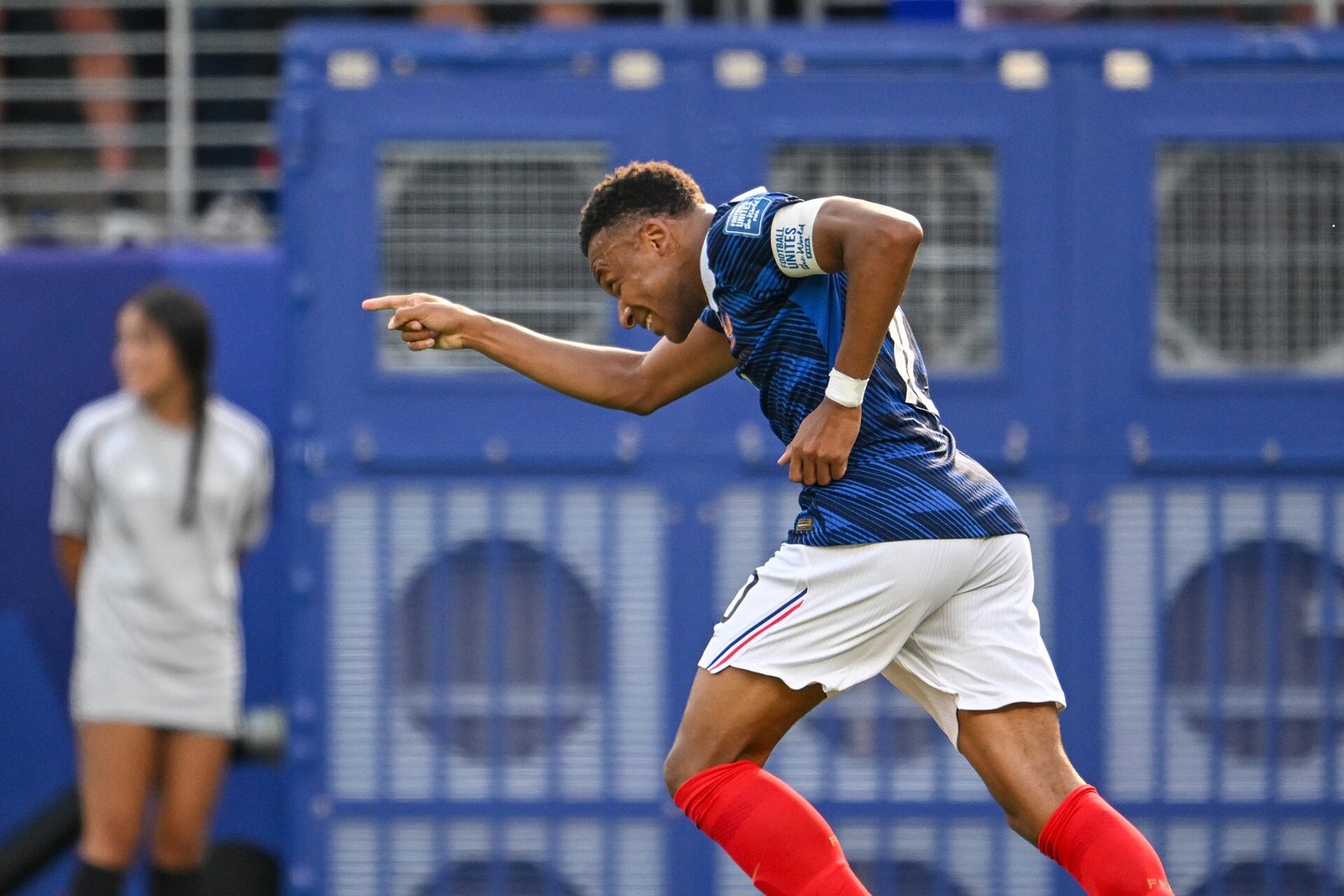
10 goals, an Mbappé record and English bronze: France 4-6 England
A Saka hat-trick, 4-0 at half-time, a frantic French comeback and two stoppage-time goals. Amid the chaos, Mbappé passed Messi to become the all-time top scorer in World Cup history — and England claimed their best finish since the 1966 title.
 World Cup
It hurt to watch: Argentina turn it around against England at 90+2 and are one game from back-to-back titles
Gordon opened the scoring, Enzo leveled with a screamer at 85 and Lautaro headed the winner in stoppage time — from a Messi assist, at 39 years old. Argentina are in the final against Spain. Stay strong, Brazilian hearts.